Ceramic coating has become one of the most popular upgrades for vehicle owners who want to protect their paint and maintain a glossy finish. It improves the appearance of a vehicle while making it easier to clean and maintain.
Because ceramic coating is often marketed as a form of paint protection, many people assume it can prevent all types of damage.
One of the most common questions drivers ask is whether ceramic coating can stop rock chips.
The short answer is no. Ceramic coating provides excellent protection against environmental contaminants, but it does not prevent rock chips caused by road debris.
For drivers in Sarasota and surrounding areas, understanding what ceramic coating actually protects against can help determine the best protection strategy for their vehicle.
What Ceramic Coating Actually Does
Ceramic coating is a liquid polymer that bonds with a vehicle’s clear coat. Once it cures, it forms a thin protective layer on top of the paint.
This layer enhances the gloss of the paint and helps repel water, dirt, and contaminants.
One of the most noticeable benefits is the hydrophobic effect. Water beads up and rolls off the surface, which helps keep the vehicle cleaner and easier to wash.
Ceramic coatings also provide protection against UV exposure and environmental contaminants that can affect the paint over time.
Why Rock Chips Still Occur
While ceramic coating improves surface protection, it is not designed to absorb impacts.
Rock chips occur when small stones or debris strike the paint at high speeds. The force of the impact can break through the clear coat and damage the paint underneath.
Because ceramic coating is only a very thin layer, it cannot absorb the force of these impacts.
This is why vehicles that are ceramic coated can still experience rock chips during normal driving.
Drivers who regularly travel between Sarasota and Bradenton often encounter highway debris that can cause this type of damage.
What Actually Prevents Rock Chips
To prevent rock chips, a physical barrier is needed between the paint and the debris.
This is where paint protection film comes in.
Paint protection film, often called PPF, is a thick transparent urethane material applied directly to the paint. The film absorbs impacts from rocks and road debris before they reach the paint underneath.
Modern PPF also features self-healing technology that allows minor scratches in the film to disappear when exposed to heat.
Because it is thicker and more durable than ceramic coating, PPF is far more effective at preventing rock chips.
When Ceramic Coating Still Makes Sense
Even though ceramic coating does not stop rock chips, it still provides valuable protection for many other aspects of a vehicle’s exterior.
Ceramic coating helps:
Repel water and dirt
Reduce staining from contaminants
Protect against UV damage
Enhance the gloss of the paint
For many vehicle owners, ceramic coating improves both the appearance and ease of maintenance.
Why Many Drivers Use Both
Because ceramic coating and paint protection film serve different purposes, many vehicle owners choose to use both together.
PPF is typically installed on the high impact areas of the vehicle such as the front bumper, hood, and fenders.
Ceramic coating can then be applied to the rest of the vehicle to enhance gloss and simplify maintenance.
In some cases, ceramic coating can even be applied over paint protection film to improve hydrophobic performance.
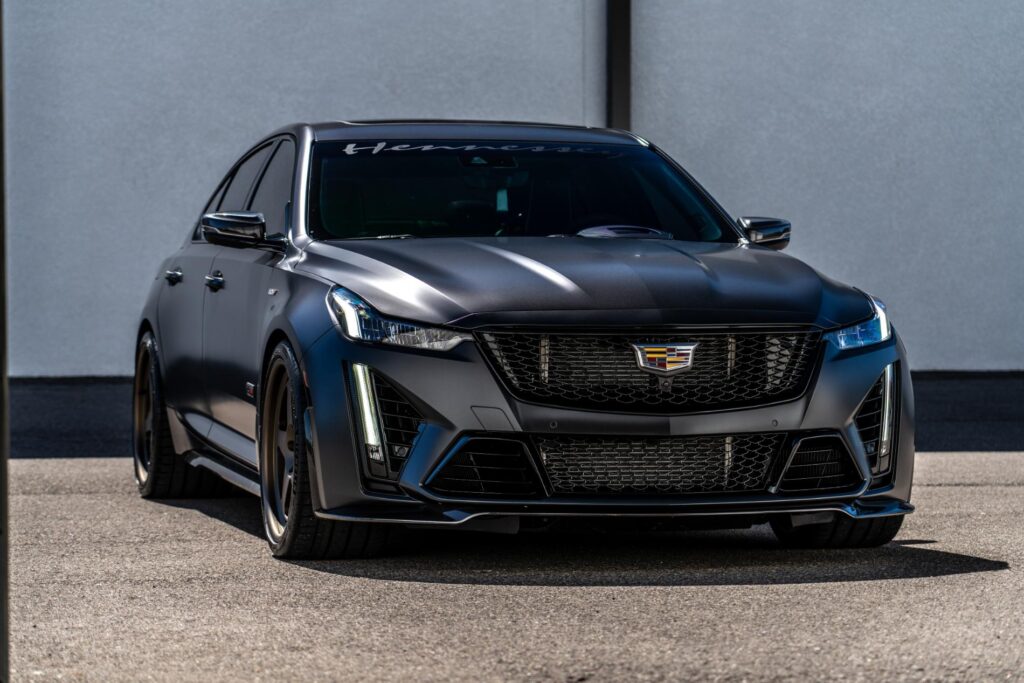
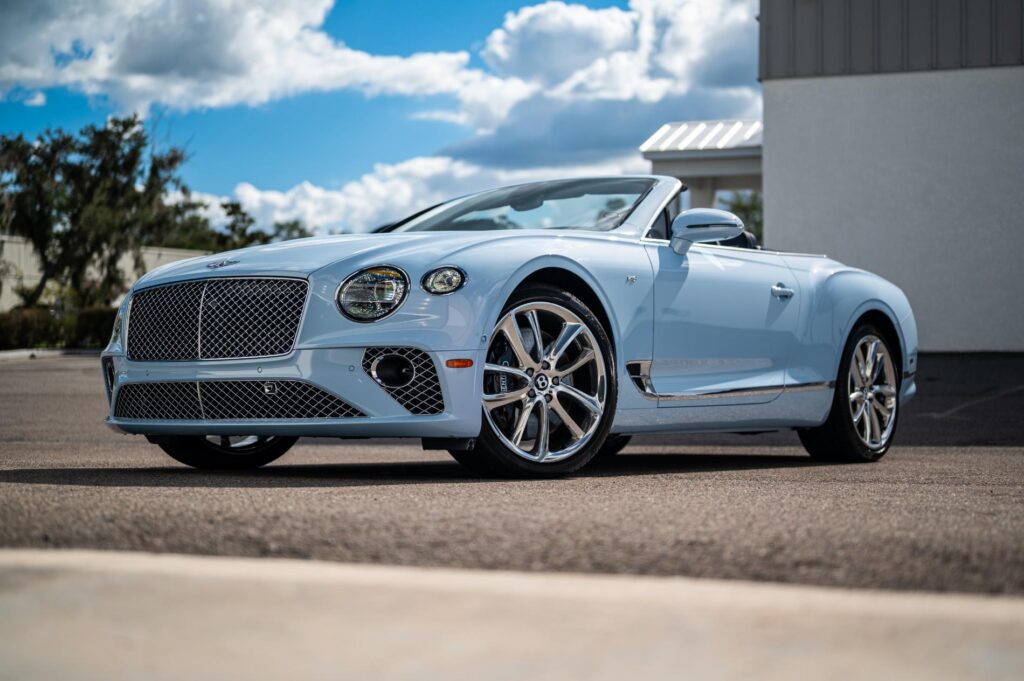
Owners of vehicles from brands like Tesla, Porsche, BMW, Mercedes-Benz, and Chevrolet Corvette often use this combination to protect their vehicles while maintaining a premium appearance.
Professional Protection Installation
Proper installation is important for both ceramic coating and paint protection film.
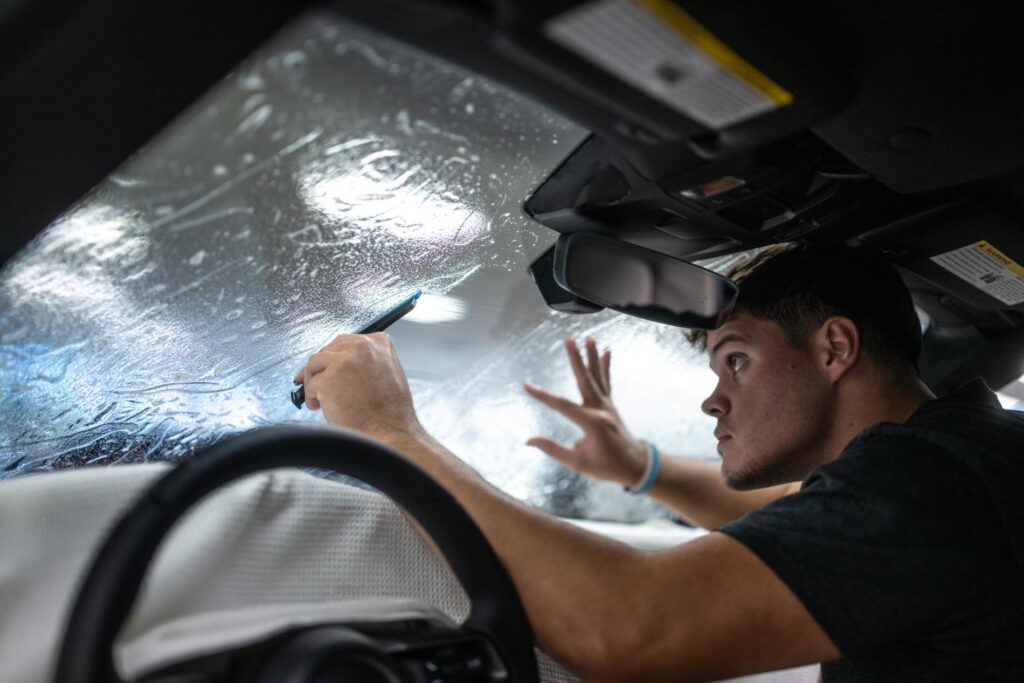
At Sage Auto Studios, vehicles are carefully prepared before any protection product is applied. The studio installs premium protection systems from XPEL designed to provide long-lasting performance and durability.
Drivers across Sarasota, Bradenton, and Lakewood Ranch rely on professional installation to ensure their vehicles receive the protection they expect.
Choosing the Right Protection
Ceramic coating is excellent for improving gloss, resisting contaminants, and making vehicles easier to maintain. However, it is not designed to prevent rock chips.
For protection against road debris, paint protection film provides a stronger barrier.
Understanding the difference between these products helps vehicle owners choose the right protection strategy for their needs.
For many drivers, combining both ceramic coating and paint protection film offers the most complete approach to protecting their vehicle’s exterior.