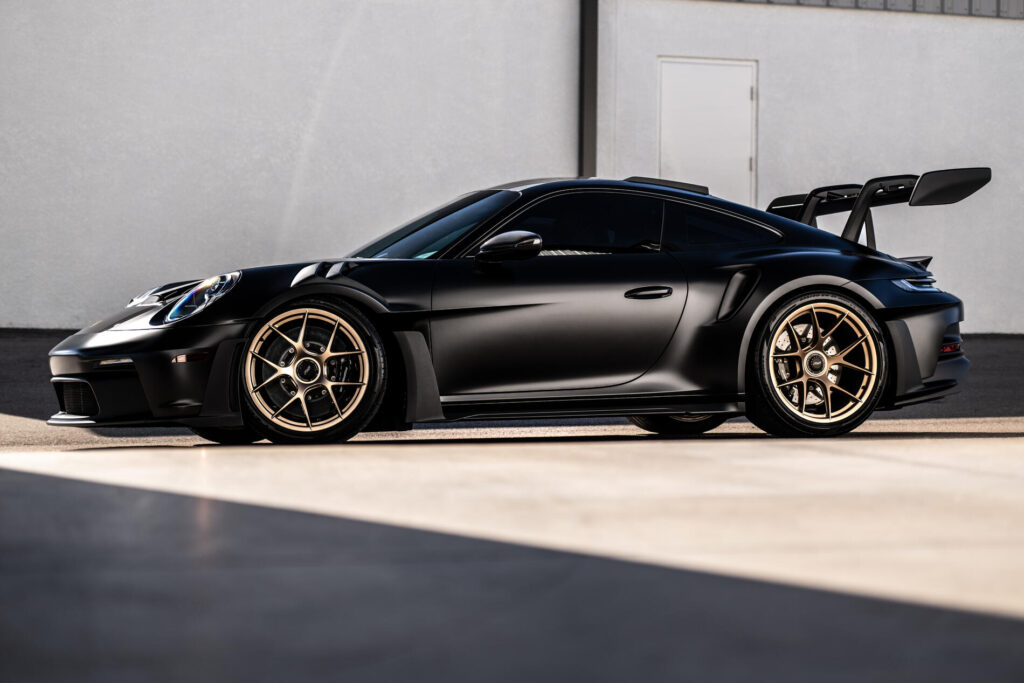
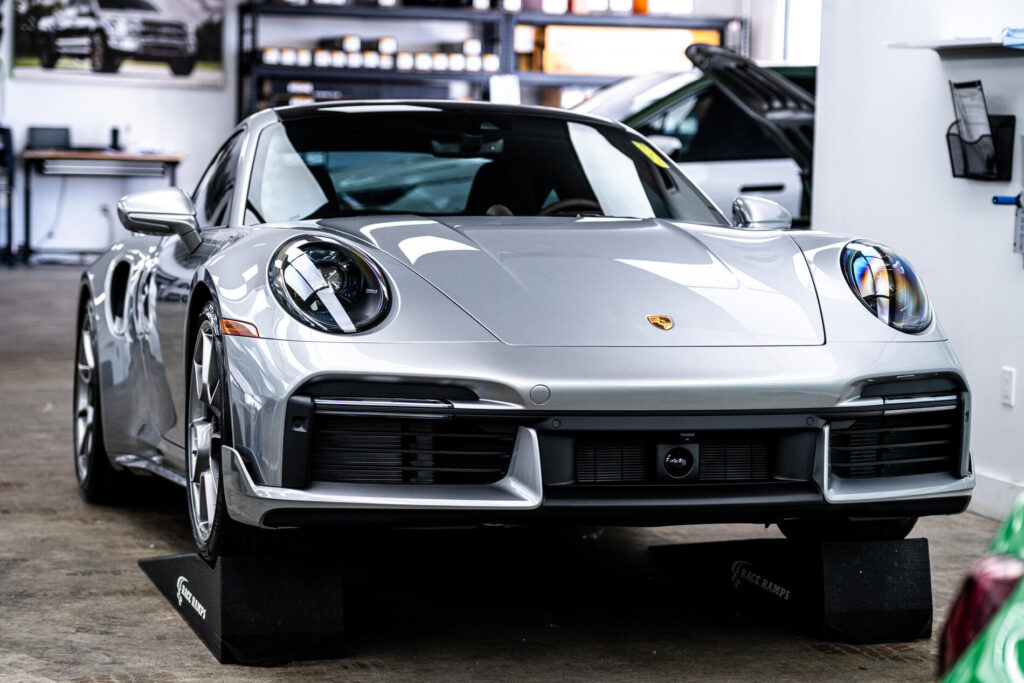
Vehicles in Southwest Florida face a unique set of challenges. Strong sunlight, coastal humidity, and everyday road debris can gradually wear down automotive paint. Without protection, a vehicle’s finish can lose its gloss, develop rock chips, or begin to fade over time.
Because of these conditions, many drivers look for ways to protect their paint and maintain the appearance of their vehicles.
For drivers in Sarasota, Bradenton, and Lakewood Ranch, several paint protection options are available. Each option offers different benefits depending on how the vehicle is driven and how much protection the owner wants.
Paint Protection Film (PPF)
Paint protection film is widely considered the most durable form of paint protection available today.
PPF is a clear urethane film applied directly to the vehicle’s painted surfaces. Once installed, it creates a physical barrier that absorbs impacts from road debris before they can damage the paint.
This type of protection is especially useful for preventing:
• Rock chips
• Small scratches
• Road debris damage
• Minor scuffs
Many modern films also include self-healing technology. When small scratches appear on the film, heat from sunlight can help the surface return to its original smooth condition.
Because of its durability, PPF is often applied to high-impact areas such as the front bumper, hood, and front fenders. Some vehicle owners choose full vehicle coverage for maximum protection.
Ceramic Coating
Ceramic coating is another popular paint protection option.
Unlike PPF, ceramic coating is a liquid that bonds to the vehicle’s clear coat. After curing, it forms a protective layer that enhances gloss and helps repel water, dirt, and contaminants.
One of the biggest advantages of ceramic coating is its hydrophobic behavior. Water beads on the surface and rolls off easily, helping keep the vehicle cleaner for longer.
Ceramic coating also helps protect paint from UV exposure and chemical contaminants.
However, ceramic coating does not prevent rock chips because it does not create a thick physical barrier like paint protection film.
Wax and Sealants
Wax and synthetic paint sealants are traditional paint protection options that have been used for decades.
These products are applied to the surface of the paint and create a temporary protective layer that improves shine and water repellency.
While wax can enhance the appearance of a vehicle, it typically lasts only a few weeks or months before needing to be reapplied.
Sealants generally last longer than wax but still require periodic maintenance to maintain protection.
Because of their limited durability, wax and sealants are usually considered short-term protection compared with modern technologies like PPF or ceramic coating.
Combining Protection Methods
Many vehicle owners choose to combine multiple protection options for the best results.
For example:
• Paint protection film can be applied to high-impact areas
• Ceramic coating can be applied to the remaining painted surfaces
This combination provides both physical protection from rock chips and the hydrophobic benefits of ceramic coating.
Owners of vehicles from brands like Tesla, Porsche, BMW, Mercedes-Benz, and Chevrolet Corvette often choose this approach to maintain the appearance of their vehicles.
Choosing the Right Paint Protection
The best paint protection option depends on several factors, including driving habits, budget, and how long the owner plans to keep the vehicle.
Drivers who want maximum protection against rock chips often choose paint protection film. Those who want enhanced gloss and easier maintenance may prefer ceramic coating.
For many drivers in Southwest Florida, combining both technologies offers the most complete solution.
At Sage Auto Studios, vehicles are carefully prepared before protection products are applied. The studio installs advanced protection systems from XPEL designed to deliver long-lasting durability and clarity.
Protecting Your Vehicle in Southwest Florida
Southwest Florida’s climate can be tough on automotive paint, but modern protection options make it possible to keep vehicles looking their best.
Whether you choose paint protection film, ceramic coating, or a combination of both, protecting your vehicle’s paint can help preserve its appearance and value for years to come.
For many drivers, investing in the right paint protection is one of the most effective ways to keep their vehicle looking new despite Florida’s demanding environment.
Does paint protection film help prevent damage from Florida highways?
Yes. Paint protection film helps protect your vehicle’s paint from rock chips, road debris, bug impacts, and minor scratches. For drivers traveling throughout Sarasota, Bradenton, and Lakewood Ranch, professional PPF installation provides an added layer of defense against everyday road damage.
Is XPEL paint protection film worth it for a new car?
XPEL paint protection film is a popular investment for new vehicles because it helps preserve the original factory paint before rock chips, scratches, and road debris cause damage. Installing PPF early can help maintain your vehicle’s appearance and support its long term resale value.
How do I protect my car from Florida sun, rain, and coastal conditions?
Professional automotive paint protection helps defend your vehicle against environmental exposure. Ceramic coating adds gloss and helps repel water, dirt, and contaminants, while paint protection film provides physical protection against road debris. For Southwest Florida drivers, combining both can provide more comprehensive vehicle paint protection.